

NAIFA has adopted a new policy position to address an important gap in how consumers are informed of changes to their insurance policies. The position holds that when a company is permitted under law or regulation to raise a premium or any expense charge on an in-force policy, that increase should only take effect after timely and clear notice is given to the policyowner, and only when a copy of that same notice is sent at the same time to the policy’s writing and/or servicing agent. This position reflects NAIFA’s long-standing commitment to ensuring consumers have both the information and professional support they need to make sound financial decisions.
1 min read
NAIFA Calls for Agent Notification of In-Force Policy Changes

Topics: Retirement Planning
1 min read
Sen. Barrasso and Rep. Tenney Cite NAIFA's Support for the SMART Act to Modernize IRA Rules

Senate Majority Whip John Barrasso (R-WY) and Rep. Claudia Tenney (R-NY) have introduced the Simplifying Modern Access to Retirement Tools for Savings (SMART) Act of 2026 into their respective houses of Congress. Sen. Barrasso and Rep. Tenney both cited NAIFA’s strong support in their press releases announcing the legislation.
Topics: Retirement Planning Individual Retirement Accounts Supported Legislation
1 min read
NAIFA Grassroots Brings Tangible Results With the RSCA
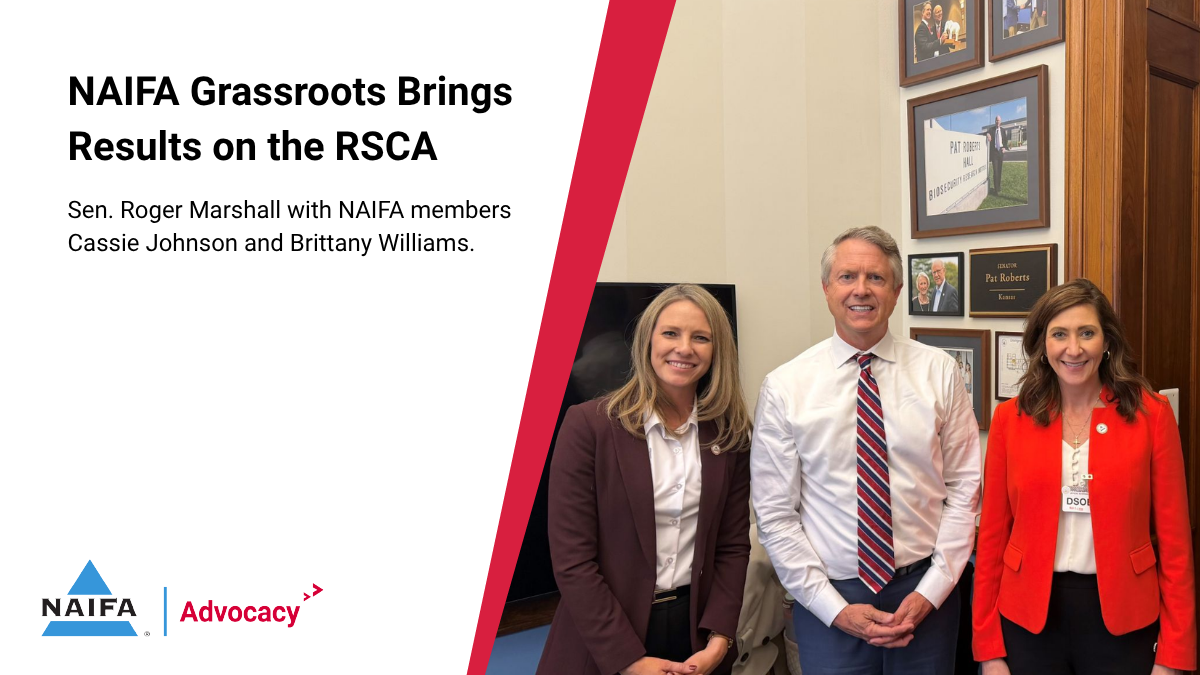
The grassroots involvement of two NAIFA members from Kansas reveals the power of advocacy in action. In March of this year, Brittany Williams and Cassie Johnson met with Sen. Roger Marshall (R-KS) during NAIFA’s Women’s Fly-In and sparked the senator’s interest in the Retirement Simplification and Clarity Act (H.R. 6324 and S. 5165). This bipartisan legislation, which was previously introduced in the House, would provide retirement savers with flexibility to convert 401(k) account funds to streams of guaranteed lifetime income. After hearing from his NAIFA constituents, Marshall along with Sen. Kirsten Gillibrand (D-NY) has introduced the RSCA in the Senate.
Topics: Retirement Planning Grassroots Supported Legislation
1 min read
NAIFA's Mayeux Joins CEO Letter Urging Retirement Plan Fairness for 403(b) Participants
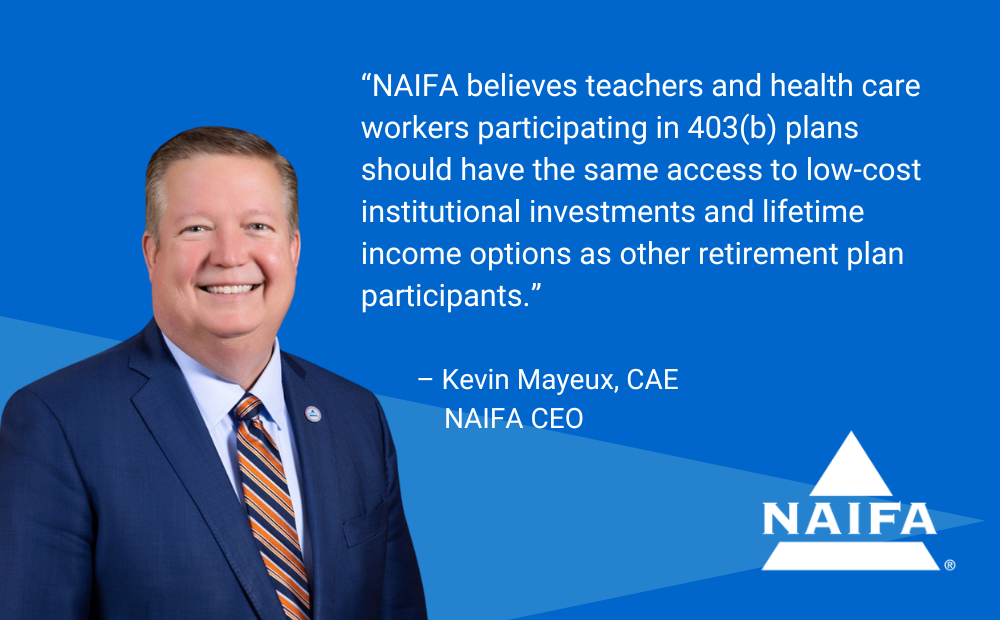
NAIFA CEO Kevin Mayeux, CAE, is among the industry leaders who signed a letter to Sens. Tim Scott (R-SC) and Elizabeth Warren (D-MA) of the Senate Committee on Banking, Housing, & Urban Affairs strongly supporting legislation to modernize federal securities regulation of 403(b) retirement plan investments by providing parity with 401(k) plans and other retirement savings arrangements.
Topics: Retirement Planning Supported Legislation
NAIFA Supports Efforts to Expand Retirement Access

As policymakers continue to address the nation’s growing retirement savings gap, an executive action seeks to expand access to retirement savings options, particularly for workers whose employers do not offer plans. The initiative includes a new federal platform, TrumpIRA.gov, aimed at helping individuals more easily connect with existing retirement savings tools and opportunities.
Topics: Retirement Planning
2 min read
Financial Professionals Can Use Trump Accounts to Promote Financial Literacy

The IRS has reported that parents have enrolled more than 4 million American children in 530A accounts, also known as Trump Accounts. These accounts are a new type of tax-advantaged individual retirement account for children under the age of 18. Under a pilot program, the federal government gives children born between January 1, 2025, and December 31, 2028, whose parents set up accounts in their name $1,000 in seed money. Beginning July 4, 2026, parents, relatives, friends, employers, organizations, and individuals may make contributions to the plans up to annual limits. Trump accounts create opportunities for financial professionals to start conversations with consumers and clients with children about planning for the future, boosting financial literacy, and providing their children with solid financial foundations.
Topics: Retirement Planning Press Release Federal Advocacy
2 min read
NAIFA: Financial Professionals Are Essential to the Success of Trump Accounts
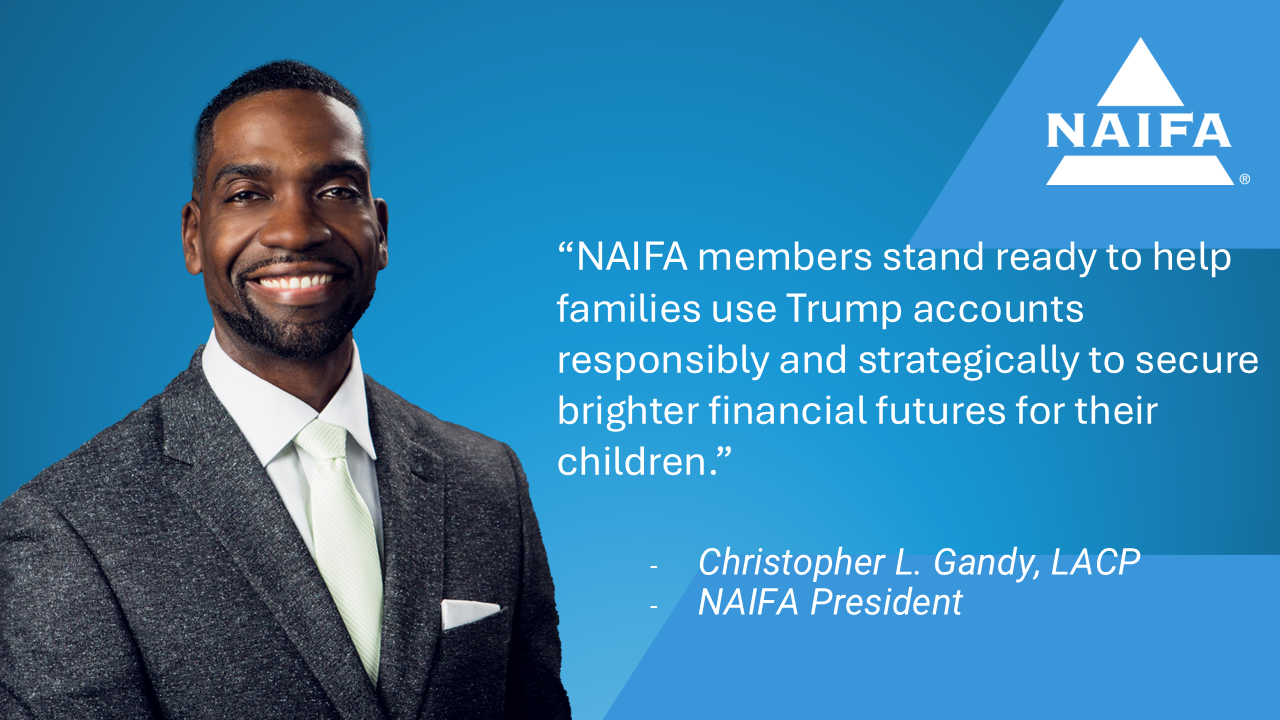
The National Association of Insurance and Financial Advisors (NAIFA) submitted formal comments to the Internal Revenue Service in response to Notice 2025-68 regarding the implementation of Section 530A Trump Accounts. Read NAIFA coverage in Investment News, 401kSpecialist and Advisor Magazine.
Topics: Retirement Planning Press Release 530As Trump Accounts
3 min read
The NAIFA-Supported INVEST Act Passes the House
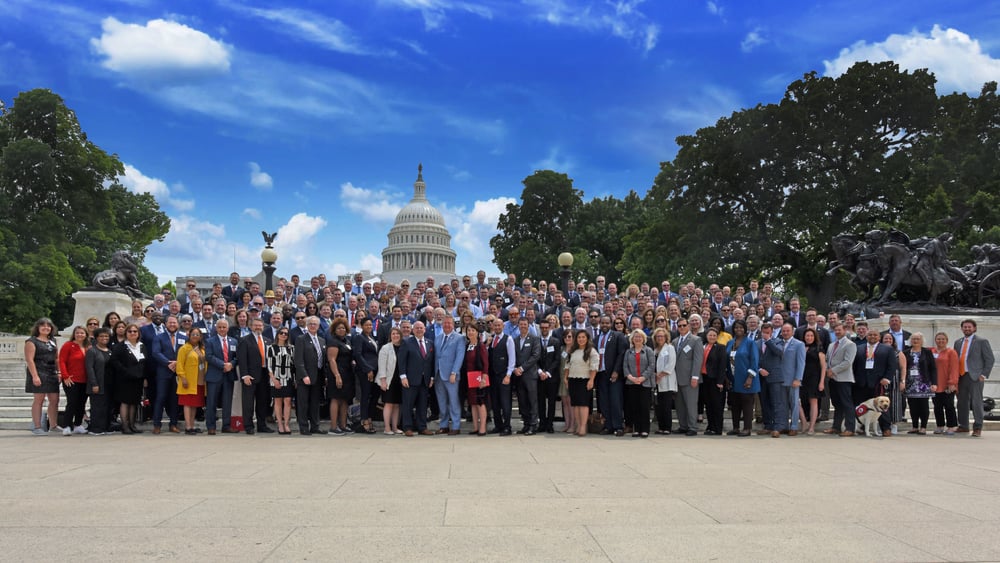
The bipartisan INVEST Act has passed the House of Representatives in a 302-123 vote. NAIFA supports the legislation to expand retirement-planning options for teachers, employees of nonprofit organizations, and others.
"NAIFA is pleased to see the House take bipartisan action to bolster the ability of more Americans to better prepare for retirement," said NAIFA CEO Kevin Mayeux, CAE. "The INVEST Act would give teachers, hospital workers, nonprofit employees, and others who have 403(b) plans access to expanded investment options, including annuity-linked products that provide guaranteed lifetime income. It would also take steps toward addressing elder financial exploitation and would remove unfair impediments that prevent expert investors who don't meet net-worth thresholds from taking advantage of some sophisticated investments."
Four sections of the bill are particularly noteworthy to financial professionals and their clients.
Topics: Retirement Planning Press Release Supported Legislation
1 min read
NAIFA-Supported Bill Would Expand Retirement Planning Options for Teachers and Employees of Non-Profits
NAIFA CEO Kevin Mayeux, CAE, issued the following statement on the bipartisan INVEST Act:
Topics: Retirement Planning Press Release Supported Legislation
1 min read
DOL Advances Fiduciary-Only Proposal That Would Limit Access to Financial Services for Lower- and Middle-Income Consumers
.png)
NAIFA CEO Kevin Mayeux, CAE, issued the following statement in response to the U.S. Department of Labor’s decision to advance its proposed “Retirement Security Rule” for review by the White House Office of Management and Budget (OMB).