
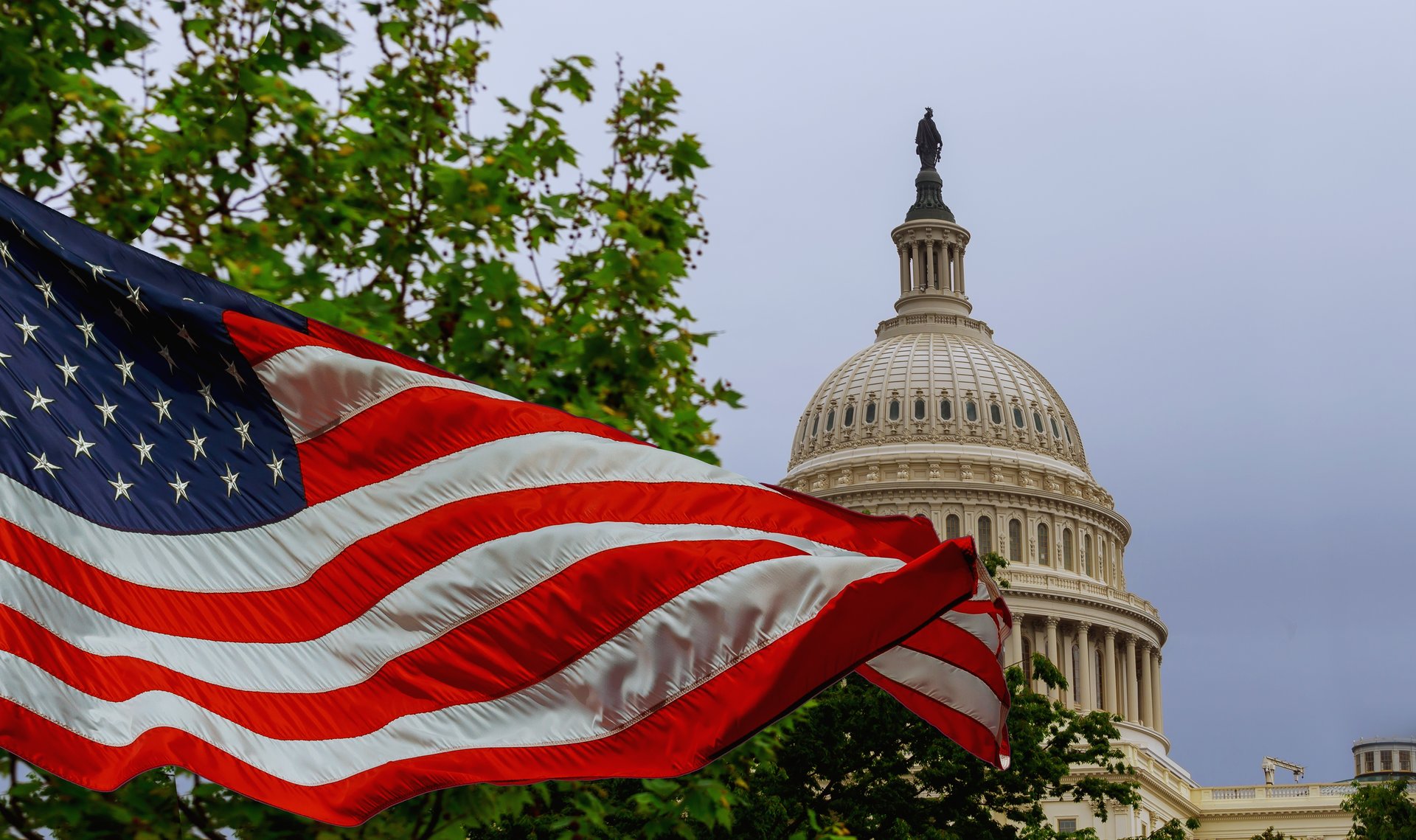
NAIFA commends the House of Representatives on passing the SECURE 2.0 (H.R.2954) retirement planning legislation in a 414-5 vote. The popular legislation simplifies the process and creates incentives for employers to create and enroll employees in workplace retirement plans. It also creates greater flexibility for workers who contribute to the plans.
2 min read
NAIFA Strongly Supports SECURE 2.0 Retirement Bill Passed by the House
Topics: Retirement Planning Federal Advocacy Congress Supported Legislation SECURE 2.0
1 min read
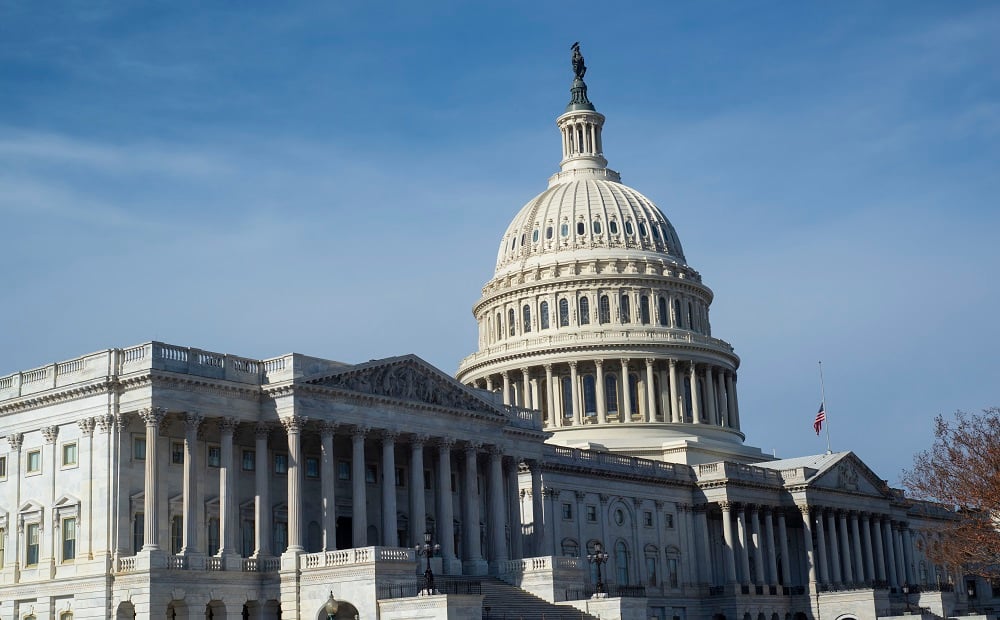
NAIFA Supports Bipartisan Legislation to Protect Senior Investors
U.S. Senators Chris Van Hollen (D-Md.), Tim Scott (R-S.C.), Raphael Warnock (D-Ga.), and Cynthia Lummis (R-Wyo.) introduced the Empowering States to Protect Seniors from Bad Actors Act, a bipartisan bill that would create a Securities and Exchange Commission program to work with state regulators to protect senior investors.
Topics: Retirement Planning Standard of Care & Consumer Protection Federal Advocacy Congress Supported Legislation Senior Financial Protection
1 min read
NAIFA Continues Support of Remote Online Notarization Legislation

NAIFA joined with industry partners in a letter to express strong support for National Defense Authorization Act (NDAA) amendment #445 offered by Representative Dean (D-PA), with the support of Representatives Armstrong (R-ND), Turner (R-OH), Perlmutter (D-CO), and Reschenthaler (R-PA).
Topics: Federal Advocacy Congress Supported Legislation Remote Notarization Producer Sales & Marketing
1 min read
NAIFA Supports Bill to Reform Index-Linked Annuities Registration
A bipartisan bill to direct the Securities and Exchange Commission to issue a new form for annuity issuers to use when filing registered index-linked annuities has been reintroduced in the House.
Topics: Life Insurance & Annuities Federal Advocacy Congress Supported Legislation
1 min read
NAIFA Signs on to Support Letter for SECURE Remote Online Notarization
NAIFA joined with industry partners in a letter to House sponsors of the SECURE Remote Online Notarization Act urging support for the importance of the legislation. Bipartisan legislation (S. 5355, H.R. 6364) was introduced by Sens. Kevin Cramer (R-ND) and Mark Warner (D-VA), and Reps. Guy Reschenthaler (R-PA) and Madeleine Dean (D-PA).
Topics: Federal Advocacy Congress Insurance & Financial Advisor Regulation Supported Legislation Remote Notarization Producer Sales & Marketing
1 min read
NAIFA Supports Cardin, Portman Efforts to Move Retirement Reform Legislation
NAIFA CEO Kevin Mayeux has thanked Sens. Ben Cardin (D-MD) and Rob Portman (R-OH) for introducing the Retirement Security and Savings Act of 2021. The Securing a Strong Retirement Act of 2021 is working its way through the House and three Senators earlier this week introduced the Improving Access to Retirement Savings Act.
Topics: Retirement Planning Federal Advocacy Congress Supported Legislation
1 min read
NAIFA Thanks Senators for Introducing Bipartisan Retirement Legislation

NAIFA CEO Kevin Mayeux, CAE, has sent a letter to three members of the U.S. Senate Finance Committee, Sen. Chuck Grassley (R-IA), Sen. Maggie Hassan (D-NH), and Sen. James Lankford (R-OK), thanking them for introducing the Improving Access to Retirement Savings Act of 2021, which contains some provisions found in a bill that has passed the House and is commonly known as the SECURE Act 2.0.
Topics: Retirement Planning Federal Advocacy Congress Supported Legislation SECURE 2.0
1 min read
NAIFA Supports Federal Legislation on Remote Online Notarization
NAIFA joined with coalition partners to submit a letter to U.S. Senate co-sponsors of the Securing and Enabling Commerce Using Remote and Electronic Notarization Act (SECURE Notarization Act), signaling support for the legislative initiative moving forward. The Act increases access to remote transactions for consumers.
Topics: Legislation & Regulations Federal Advocacy Congress Supported Legislation Remote Notarization Producer Sales & Marketing
2 min read
NAIFA Supports SECURE Act 2.0 Introduced by Reps. Neal and Brady
House Ways and Means Committee Chairman Richard E. Neal (D-MA) and Ranking Member Kevin Brady (R-TX) have introduced the Securing a Strong Retirement Act of 2021, also known as the SECURE Act 2.0, and Neal has scheduled a markup session in the committee for Wednesday.
Topics: Retirement Planning Federal Advocacy Congress Supported Legislation SECURE 2.0
1 min read
The IRS Will Correct Confusing Guidance on Stretch IRAs and the SECURE Act
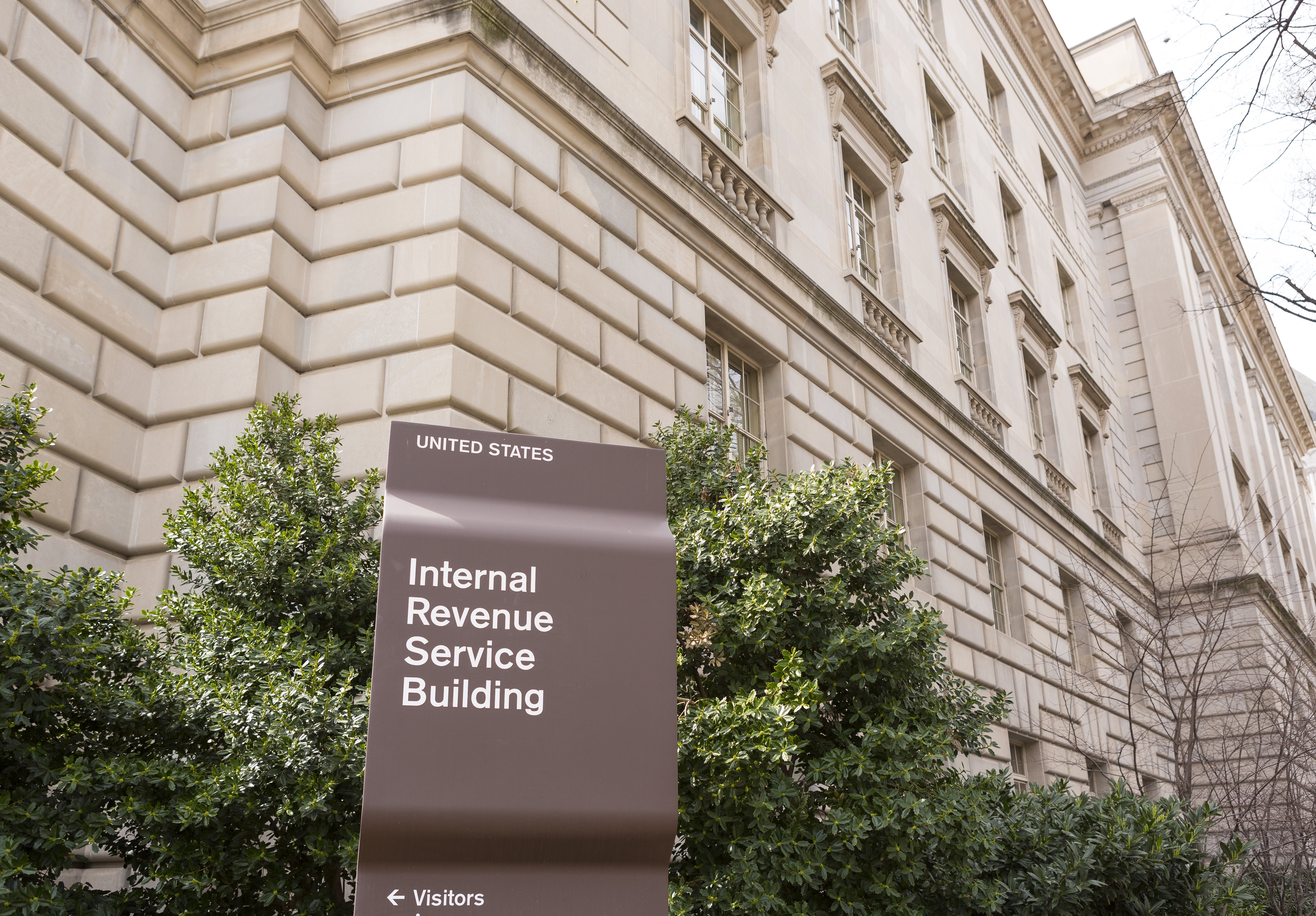
The SECURE Act, enacted in December 2019, changes the rules for certain inherited retirement accounts whose original owners died after Dec. 31, 2019. Under the new rule, many heirs to IRAs and 401(k) accounts will have to fully distribute the funds from their inherited accounts (and pay income tax on the distributions) within 10 years of the original owner’s death. The rule does not apply to surviving spouses, minor children, heirs who are disabled or chronically ill, and heirs who are within 10 years of the age of the decedent.