
Financial literacy is often framed as a simple concept: helping Americans better understand money. But in reality, financial literacy is more than knowledge; it’s the foundation of long-term financial security.
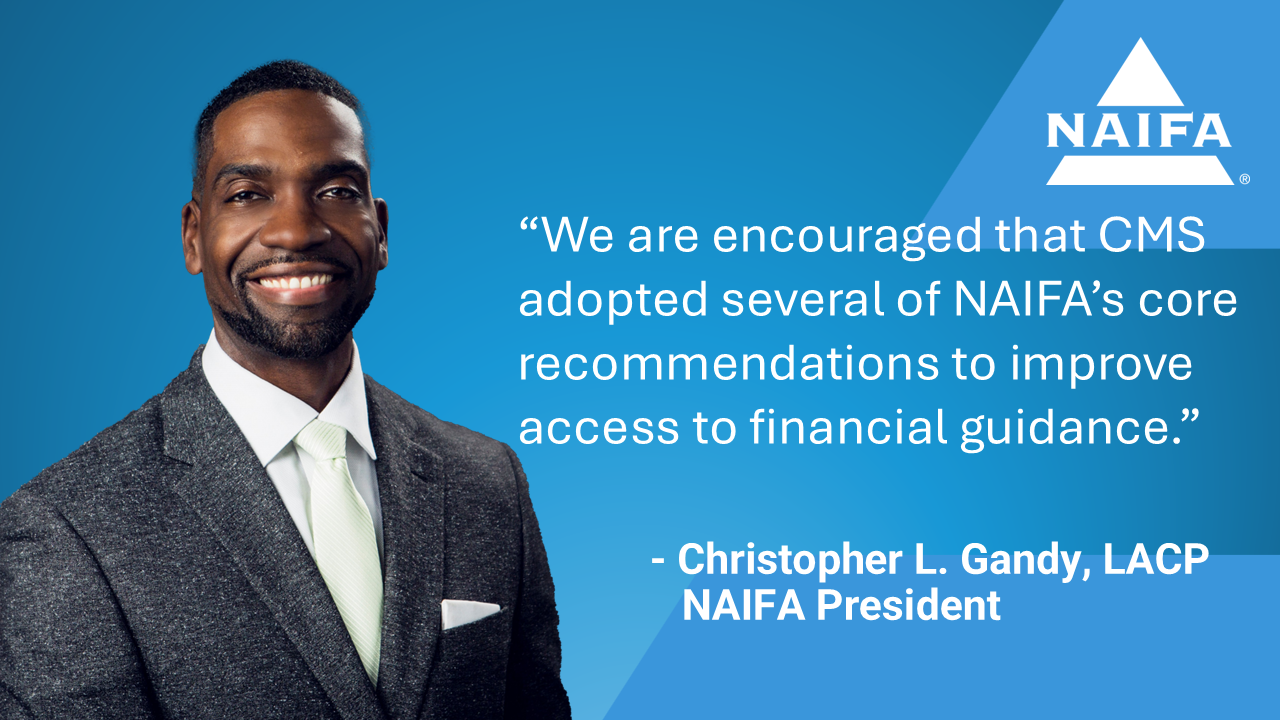
That’s why NAIFA recently submitted comments by NAIFA President Christopher L. Gandy, LACP, to the U.S. Department of the Treasury in response to the Financial Literacy and Education Commission’s (FLEC) update to the National Strategy for Financial Literacy.
Our message was clear: if we want to meaningfully improve financial outcomes for American families, we must rethink what financial literacy truly means and how it is delivered. Here are highlights of NAIFA's recommendations:
Financial Security Is More Than Savings
For too long, national financial literacy efforts have focused heavily on savings and investment education. While those are important, they represent only part of the picture. NAIFA urged policymakers to take a more comprehensive approach, one that reflects the real financial risks families face every day.
True financial security includes protection: Life insurance. Disability insurance. Long-term care planning. Without these safeguards, even the most well-funded retirement plan can be undone by a single unexpected event.
Financial literacy must evolve to help Americans understand not just how to grow wealth, but how to protect it.
Life Happens: A Trusted Resource Already Exists
NAIFA recommended expanding access to trusted, consumer-focused financial education by adding Life Happens to the federal government’s financial literacy resource directory.
Life Happens has long been a leader in helping Americans understand the role of insurance in protecting their families and financial futures. Its campaigns and educational tools are designed to meet consumers where they are, translating complex concepts into real-life decisions. Integrating resources like these into the national strategy ensures Americans have access to practical, actionable guidance—not just theory.
Turning Opportunity Into Action: Trump Accounts
The emergence of new savings vehicles, including Trump Accounts (530As), presents a powerful opportunity to expand financial literacy especially for younger families.
NAIFA has emphasized that these accounts will only reach their full potential if families have access to knowledgeable financial professionals who can help them navigate the rules, build long-term strategies, and stay consistent over time.
From understanding contribution limits to integrating accounts into broader financial plans, advisors play a critical role in turning financial tools into meaningful outcomes.
A Critical Link: Trusted Financial Professionals
One of NAIFA’s most important recommendations is simple but powerful: financial literacy works best when it is delivered through trusted relationships. Financial advisors provide information, and they help families apply it. Every client conversation, whether about retirement planning, insurance coverage, or budgeting, is an opportunity to build understanding and confidence.
Advisors also serve as a first line of defense against fraud and financial scams, helping clients identify risks and protect what they’ve built. If the goal is real financial literacy, not just awareness, then trusted professionals must be part of the solution.
Building a Stronger Foundation for the Future
NAIFA’s comments highlighted the importance of early education and broader collaboration.
We support expanding state-level financial literacy requirements in schools to ensure young Americans enter adulthood with foundational knowledge. And we urge stronger partnerships between government and industry, leveraging the nationwide network of financial professionals already serving communities across the country.
Engaging Industry Associations
NAIFA also emphasized the importance of engaging industry associations as active partners in advancing financial literacy nationwide.
Organizations like NAIFA represent a vast, existing infrastructure of financial professionals already embedded in communities across the country, delivering education every day. By collaborating with these associations and amplifying industry-led initiatives such as Financial Literacy Month and other awareness campaigns, policymakers can dramatically expand the reach and effectiveness of the Nation
The Bottom Line
Improving financial literacy in America will require a shift in mindset; one that recognizes the full scope of financial security and the critical role of those who help deliver it. NAIFA members see this every day. They are not just advisors. They are educators, advocates, and trusted partners helping Main Street Americans navigate life’s most important financial decisions.
As this national strategy evolves, NAIFA will continue to ensure their voice and their impact is part of the conversation.